Summer Vaccine Boosters: Don’t Let Travel Delay Dog Care
Summer is the season of vacations, road trips, camping adventures, beach days, and outdoor family fun. For many pet parents, dogs are part of every travel plan. Whether you are planning a weekend getaway, visiting family, boarding your dog, or heading out on a cross-country road trip, one thing should never be overlooked before departure: your dog’s vaccinations.
Many pet owners wait until the last minute to prepare for summer travel, only to realize their dog is overdue for vaccine boosters or wellness care. Unfortunately, delaying preventive care can place dogs at risk for serious illnesses during a time when exposure to other animals, new environments, insects, and public spaces increases significantly.
At Veterinary Medical Center, we encourage pet families to schedule vaccine boosters and wellness exams early so their dogs can enjoy a safe, healthy, and stress-free summer season.
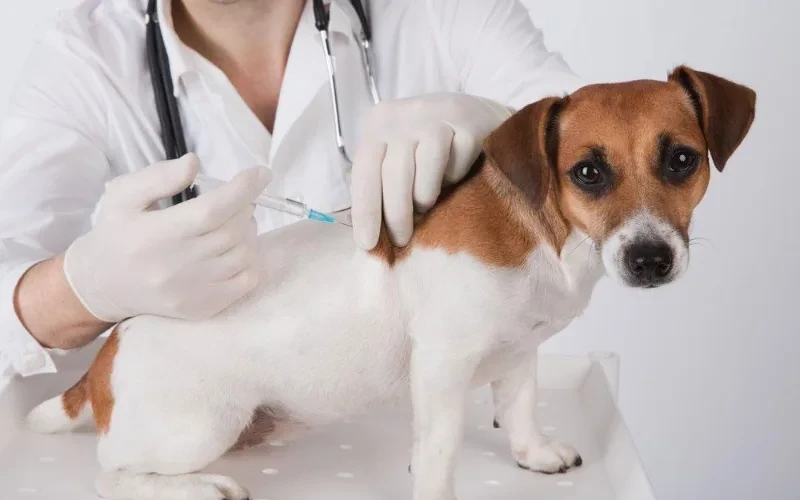
Vaccinations remain one of the most important parts of preventive veterinary care because they help protect dogs from highly contagious and potentially life-threatening diseases. Veterinary vaccination guidelines continue to emphasize that core vaccines are essential for dogs, especially when travel or increased exposure risks are involved.
Summer travel often exposes dogs to unfamiliar environments where diseases spread more easily. Dog parks, boarding facilities, hiking trails, campgrounds, beaches, airports, hotels, and rest stops all increase contact with other pets and shared surfaces. Even healthy dogs can become vulnerable if their vaccines are outdated.
Core vaccines commonly protect dogs against diseases such as canine distemper, parvovirus, adenovirus, and rabies. In certain travel situations, veterinarians may also recommend non-core vaccines depending on lifestyle, location, and exposure risks.
One of the biggest concerns during summer travel is canine parvovirus. This highly contagious disease spreads quickly in areas where infected dogs have been present and can survive in the environment for long periods. Puppies and dogs with incomplete vaccination histories are especially vulnerable. Experts continue to stress the importance of keeping vaccinations current to reduce the risk of infection.
Boarding facilities, groomers, daycare centers, and some travel accommodations also require proof of current vaccinations before accepting pets. Waiting until the last week before travel may create unnecessary stress if your dog needs booster appointments, vaccine series updates, or health evaluations.
Summer also brings increased exposure to mosquitoes, fleas, and ticks. Mosquitoes can transmit heartworm disease, while ticks may carry dangerous illnesses such as Lyme disease. Outdoor travel activities like hiking, camping, and nature walks increase these risks substantially. Preventive care visits allow veterinarians to evaluate your dog’s parasite protection plan alongside vaccine recommendations.
A pre-travel wellness examination is equally important. During the visit, veterinarians assess your dog’s overall health, review vaccination history, discuss destination-specific risks, and ensure your pet is physically prepared for travel activities. Senior dogs, puppies, and pets with medical conditions may require additional care recommendations before long-distance travel.
Pet owners should also remember that immunity does not happen instantly after vaccination. Some vaccines require time for the immune system to respond effectively. Scheduling appointments early helps ensure your dog has proper protection before exposure occurs.
Travel preparation should include more than just packing food, toys, and leashes. Responsible pet travel means prioritizing preventive healthcare before departure. Staying proactive can help avoid emergency veterinary visits, interrupted vacations, and unnecessary health complications.
Signs of vaccine-preventable illnesses can include vomiting, diarrhea, coughing, lethargy, fever, breathing difficulties, nasal discharge, and appetite loss. These symptoms may worsen quickly without treatment, especially during travel when access to familiar veterinary care may be limited.
Pet parents often assume indoor dogs or healthy adult dogs are automatically protected, but immunity levels vary depending on vaccine schedules, lifestyle changes, and environmental exposure. Even brief contact with infected animals or contaminated surfaces can place unprotected dogs at risk.
In addition to vaccinations, summer preventive care should include:
- Wellness examinations
- Parasite prevention
- Heartworm testing
- Flea and tick protection
- Updated identification tags and microchip information
- Travel safety planning
- Hydration and heat protection strategies
Veterinary professionals continue to emphasize that preventive care plays a critical role in supporting long-term pet health and reducing the spread of infectious diseases.
Summer adventures should create happy memories, not unexpected medical emergencies. Planning ahead allows your dog to enjoy travel safely while giving you peace of mind throughout the journey.
If your dog is due for vaccine boosters or a summer wellness exam, now is the perfect time to schedule an appointment. The team at Veterinary Medical Center is here to help your pet stay protected, healthy, and ready for every summer adventure ahead.
Veterinary Medical Center
Veterinary Medical Center is a full-service pet hospital that offers comprehensive medical services for cats and dogs in Sacramento and the surrounding areas.